 Portfolio
  About us
  Blog Page
  Photo Editing
  Video Editing
  Virtual Staging
  Floor Plans
  Virtual Twilight
  Declutter
 Showcasing Seasonal Variations in Property Listings
29/09/2025
Recognizing how property listings change throughout the year is important for both buyers and sellers. The number of available homes, pricing trends, and buyer demand often shift depending on the season. This guide explains how these seasonal patterns affect the real estate market, when it might be best to buy or sell, and how properties can be presented effectively during different times of the year.
How Seasons Influence Property Listings
The real estate market is closely connected to seasonal factors. Weather conditions, holidays, and school schedules all influence when people decide to move. Typically, spring and summer are the busiest periods for property sales, while activity tends to slow down during fall and winter.
In warmer months, many families prefer relocating while school is out, which increases both demand and the number of listings. On the other hand, colder seasons often see fewer homes entering the market because some sellers choose to wait for more favorable conditions.
Spring: A Fresh Start for the Market
Spring is widely considered one of the strongest seasons for real estate. As the weather improves, more sellers list their homes and more buyers start actively searching. The market often becomes more competitive during this time.
Homes listed in spring frequently sell faster and sometimes at better prices compared to other times of the year. Longer daylight hours and pleasant weather also make it easier to schedule property visits and open houses. Sellers can enhance their listings by adding fresh decor, bright interiors, and a welcoming atmosphere that appeals to buyers.
Summer: Continued Market Momentum
The real estate activity that begins in spring usually carries into summer. Many buyers remain active, although attention may shift toward vacation homes or properties in desirable locations.
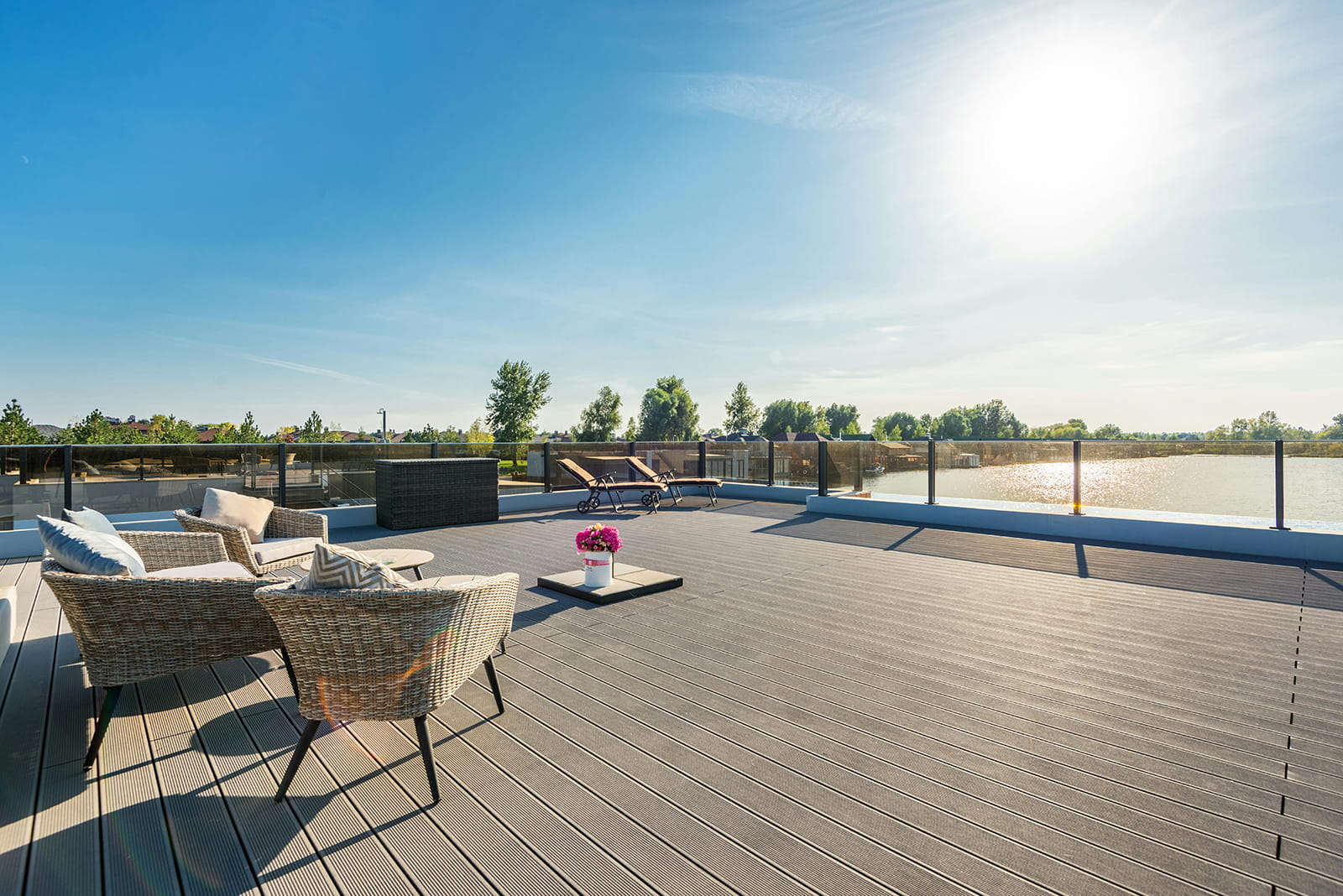
Summer is ideal for showcasing outdoor spaces. Gardens, patios, and outdoor living areas tend to look their best during this time, which can greatly increase a property’s appeal. Open houses and outdoor tours are also more common, helping buyers experience homes in a more relaxed and enjoyable setting.
Fall: A Market in Transition
As summer ends, the pace of the market typically begins to slow. Even though there may be fewer listings, serious buyers are still searching for homes, which can create opportunities for sellers.
Properties that highlight comfort and warmth can stand out during this season. Autumn decor, cozy interiors, and inviting spaces can help buyers imagine themselves living there. With fewer homes available, sellers may also face less competition, allowing their listings to receive more attention.
Winter: Slower Activity but Unique Opportunities
Winter can be more challenging for real estate. Cold weather and holiday schedules often reduce the number of buyers and new listings. However, it can still be a good time for motivated sellers and serious buyers.
Homes marketed during winter should emphasize comfort and warmth. Features such as fireplaces, efficient heating systems, and cozy interiors can make a strong impression. Thoughtful staging with warm lighting, soft textures, and seasonal elements can also help create an inviting atmosphere.
Marketing Homes During the Winter Season
Marketing strategies may need to adjust during winter months. Professional photography with warm lighting can help a property feel welcoming even in colder weather. Virtual tours are also very useful, allowing buyers to explore homes without needing to visit in person.
Social media can support winter listings as well. Sharing seasonal photos and highlighting the home’s best features can help attract potential buyers. Additionally, some buyers search for better deals during winter, since certain sellers may be more flexible with pricing during this period.
Regional Differences in Seasonal Trends
Although seasonal patterns are common across the real estate industry, they can vary depending on location. Climate and local lifestyle often affect when buyers and sellers are most active.
In warmer regions, the selling season may extend longer into fall or even winter. Meanwhile, in colder climates, the slowdown during winter can be more noticeable, with many sellers waiting until spring to list their properties.
Urban vs. Rural Market Differences
Seasonal patterns may also differ between urban and rural areas. Cities often maintain steadier demand throughout the year because of job opportunities and population movement. Rural markets, however, may experience more noticeable seasonal changes.
Urban properties may sell quickly year-round, although competition is often stronger during peak seasons. Rural homes might take longer to sell, but interest can increase significantly during spring and summer when buyers look for larger properties or outdoor space.
The Role of Local Events
Community events can also influence seasonal activity in real estate. Festivals, fairs, and local gatherings can attract visitors and potential buyers to certain areas. Sellers can use these opportunities by scheduling open houses around popular events to increase visibility.
For example, a local festival might bring more attention to a neighborhood, making it a great time to present a property. Highlighting community features and nearby attractions can further enhance the appeal of a listing.
Presenting Properties Throughout the Year
Successfully marketing a property requires adapting to each season. From staging choices to photography styles, adjusting strategies can help attract buyers more effectively.
In spring and summer, outdoor areas should be highlighted. Gardens, balconies, and decks can be shown through bright and inviting images. Hosting open houses or outdoor viewings can also create a positive impression.
Seasonal Staging Ideas
Staging plays an important role in making a home appealing. During spring, fresh flowers and light colors can give a sense of renewal. Summer decor can focus on brightness and open spaces that emphasize natural light.
In fall, warmer tones and cozy touches help create comfort. During winter, the goal should be to make the home feel welcoming and warm through lighting, soft textures, and subtle seasonal decorations.
Using Technology to Showcase Homes
Technology has become a powerful tool for presenting properties year-round. High-quality photos and virtual tours allow buyers to view homes regardless of the season or weather conditions.
Social media can also highlight how a property looks during different times of the year. Updating listings with seasonal images and engaging content helps maintain interest and gives buyers a better understanding of the home’s features.
Conclusion
Understanding seasonal patterns in property listings helps both buyers and sellers make smarter decisions. Each season offers its own advantages and challenges, and adapting to these changes can improve the chances of a successful sale.
From the fresh energy of spring to the lively summer market, the calm transition of fall, and the cozy atmosphere of winter, every season provides a unique opportunity to showcase homes in different ways. By adjusting marketing strategies and presentation styles to match the time of year, sellers can attract more buyers and stand out in the market.
If you’re planning to sell a property, strong visuals can make a significant difference. Professional real estate photo editing helps your listing stand out and attract the right buyers in any season.