 Portfolio
  About us
  Blog Page
  Photo Editing
  Video Editing
  Virtual Staging
  Floor Plans
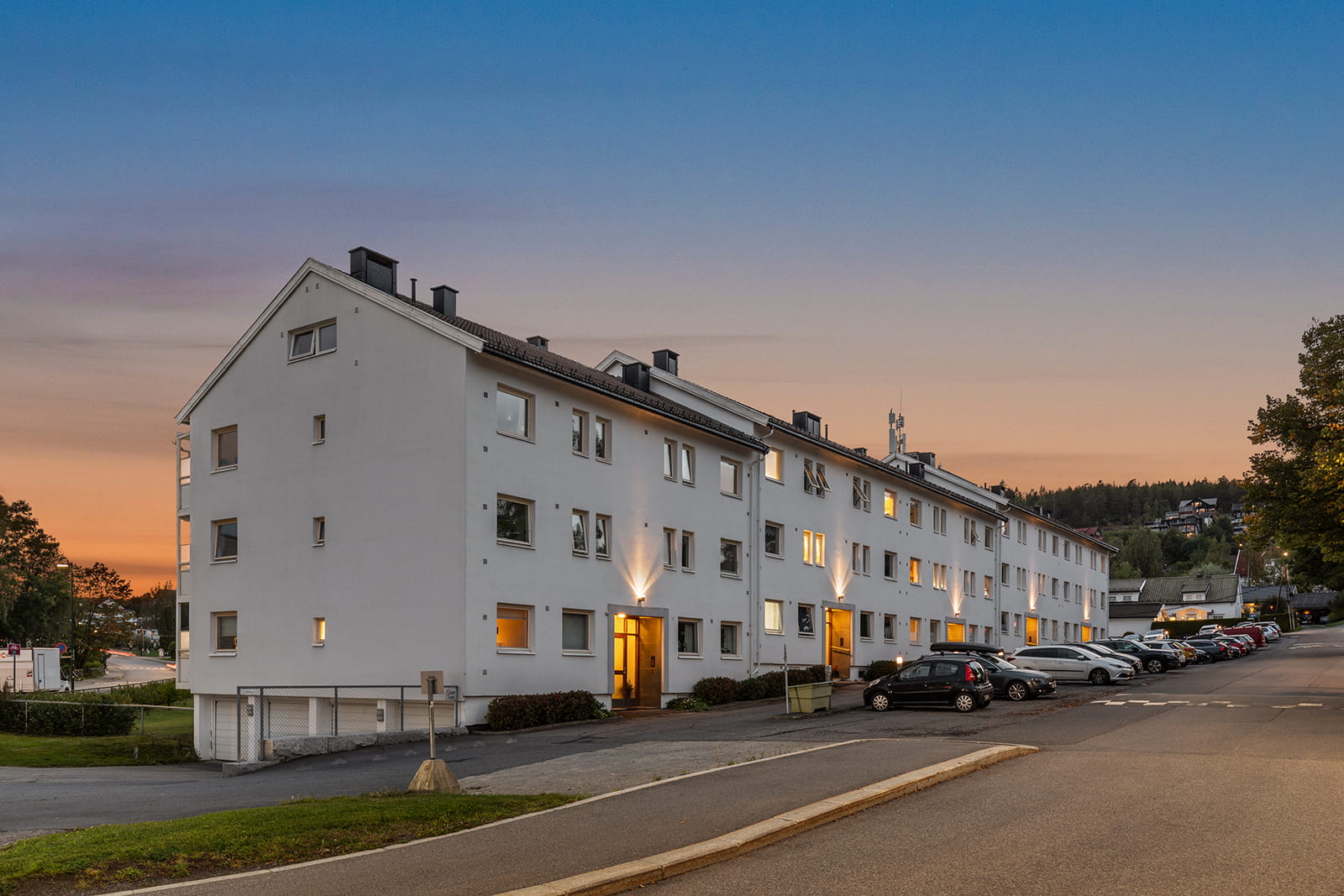
  Virtual Twilight
  Declutter
 Effective Strategies to Advertise Real Estate Online
24/12/2025
In today’s real estate market, more than 90% of home buyers begin their search online, according to recent NAR reports. Because of this shift, having strong online marketing strategies for your listings is no longer optional. You need to connect with buyers who spend a significant amount of time browsing properties on the internet.
This guide focuses on practical and proven methods that brokers, agents, and sellers can use to strengthen their online presence. By applying the right strategies, you can generate more leads, reduce marketing costs, and reach buyers who are genuinely interested in your properties. Understanding the challenges of the digital market—and learning how to overcome them—can significantly improve your results.
Below are several effective strategies you can use when promoting a property. However, the best outcomes usually come from combining multiple approaches together.
Once you clearly understand your target audience, apply the right marketing methods, and create compelling listings, you can sell faster and increase engagement from potential buyers. This also improves your return on investment, especially if you are running a real estate agency.
So, what strategies should you focus on? Let’s explore them.
Maximizing Online Visibility
One of the first priorities should be increasing your online visibility. This means ensuring that your listings appear prominently on the platforms where people search for properties—such as Google search results, listing directories, or major real estate websites.
Start by researching keywords using tools like Google Keyword Planner. Look for search terms commonly used in your market, such as “homes for sale in New York City” or similar location-based phrases. Understanding what buyers type into search engines increases the chances of your listings appearing in search results.
Next, focus on optimizing your listings. This includes improving elements such as image alt text, meta tags, keyword placement in descriptions, and ensuring the listing is mobile-friendly. Many sellers overlook these details, so optimizing them can help your listings stand out from the competition.
It’s also important to complete all listing information on property platforms. Details such as the number of bedrooms, bathrooms, property size, special features, and amenities help platforms rank your listings more effectively and provide buyers with the information they need.
High-quality visuals also play a major role. Professional photography and properly edited images make listings more attractive and increase the likelihood that buyers will click on them.
Finally, track your results using metrics like impressions, click-through rates, and website traffic. Monitoring these insights helps you understand what works and allows you to continuously improve your marketing strategy.
Crafting Compelling Listings
Your property listing acts as your digital storefront. It’s often the first impression buyers have, so it needs to capture attention quickly and communicate the value of the property clearly.
Start by using high-quality visuals. Professional photo editing, video tours, virtual staging, and enhancements can significantly improve how a property is presented online. When listings include attractive images and clear visuals, they naturally receive more engagement.
Another important element is writing strong headlines. A good headline highlights the most appealing feature of the property while addressing what buyers are looking for—whether it’s comfort, location, modern design, or lifestyle benefits.
Along with the headline, your description should provide useful details about the property while helping buyers imagine living there. Instead of only listing technical specifications, include elements that tell a story about the space and how it can be enjoyed.
When buyers can picture themselves in the property, they are more likely to take the next step and inquire about it.